


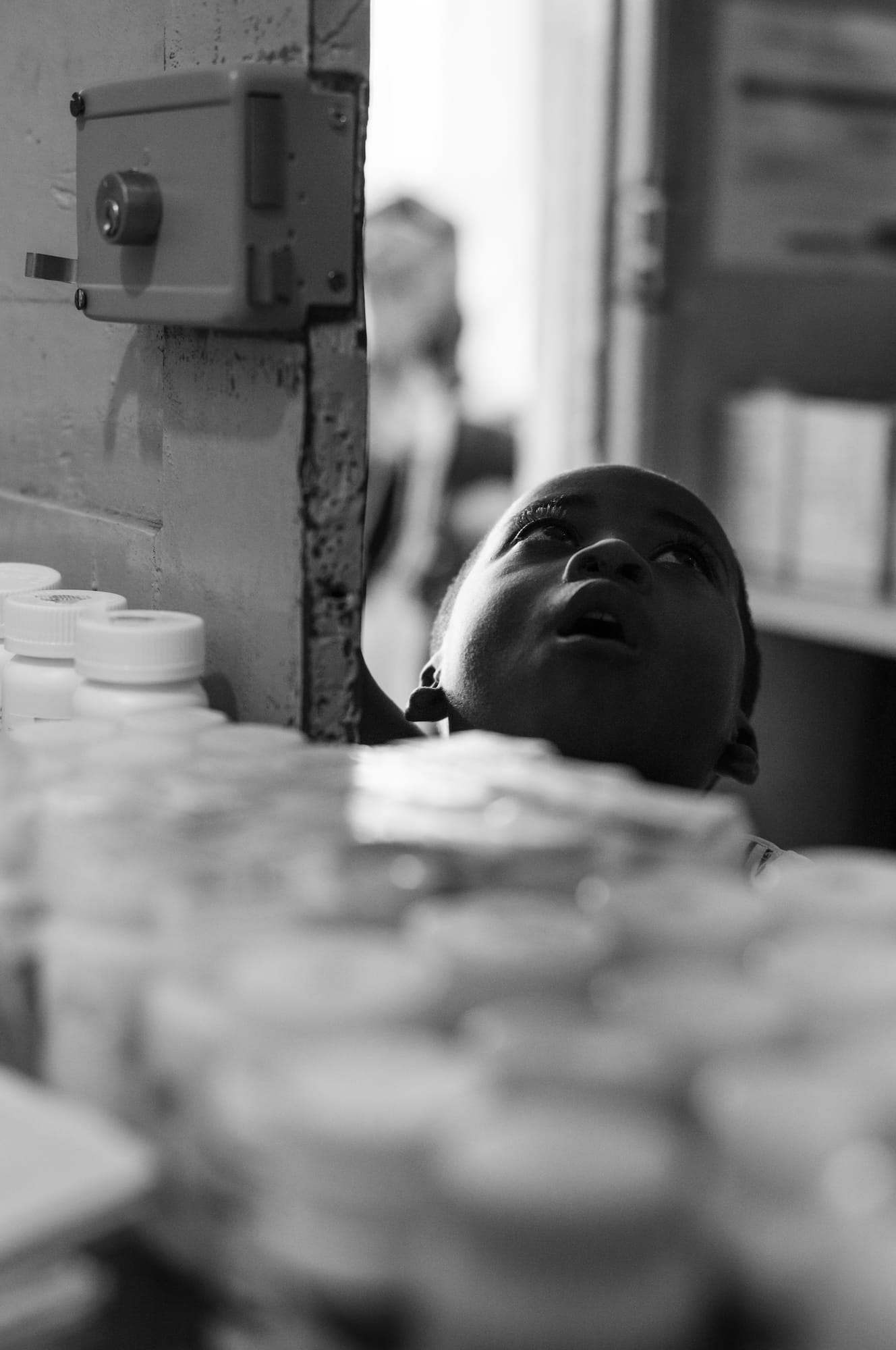
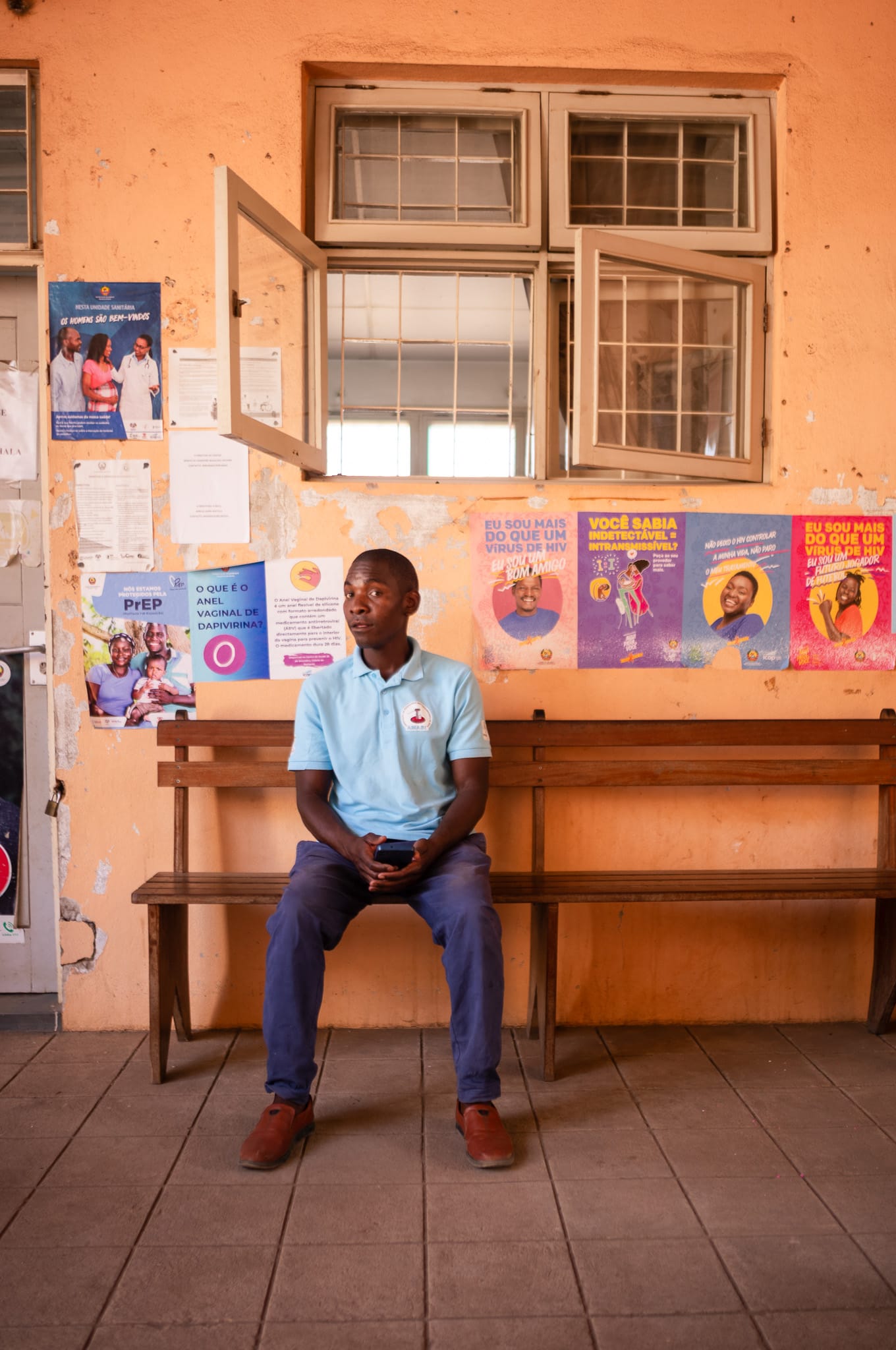
The first thing that strikes you in the pediatric HIV room at Centro de Saúde Muhala – Expansão is the motion. A four-year-old boy swings from a door handle, tracing the letters on ARV bottles he cannot yet read. Behind him, Eva Ernesto, a linkage officer with Ovarelelana, scans the day’s list. Several children were expected; the ones who have arrived are already playing with the toys in the waiting area. She waits for the others, because in the world of pediatric HIV care, an absent child is never just a missed appointment. It is an alarm bell, a follow-up, and often a home visit.
Eva’s work is part of FILOVC, a U.S. government–supported project led by AMASI, with Ovarelelana as an implementing partner and FHI 360 serving as a sub-partner providing technical assistance. For me, this was my first real, deep exposure to an OVC program—the day-to-day reality of supporting orphans and vulnerable children. It was eye-opening in ways I didn’t expect, complicating many of my assumptions about what HIV programs look like from the inside and what it truly takes to help a child stay healthy.
Before meeting any families, we moved carefully through the program’s safeguarding steps—reviewing protection protocols, completing the child-safeguarding checklist, signing agreements on responsible practice, preparing tailored consent forms, arranging translation support, and traveling only with trained staff. Even with all that preparation, nothing compared to being in the homes and clinics themselves. The story unfolding here is decidedly local—built through years of patient, steady work by Mozambican community members who walk between homes, clinics, and lives pressed hard by circumstance.
This story—of children, caretakers, interruptions, and stubborn hope—carries special weight today, World Children’s Day, when the world is asked to look squarely at its youngest citizens and reckon with the distance between promise and reality.
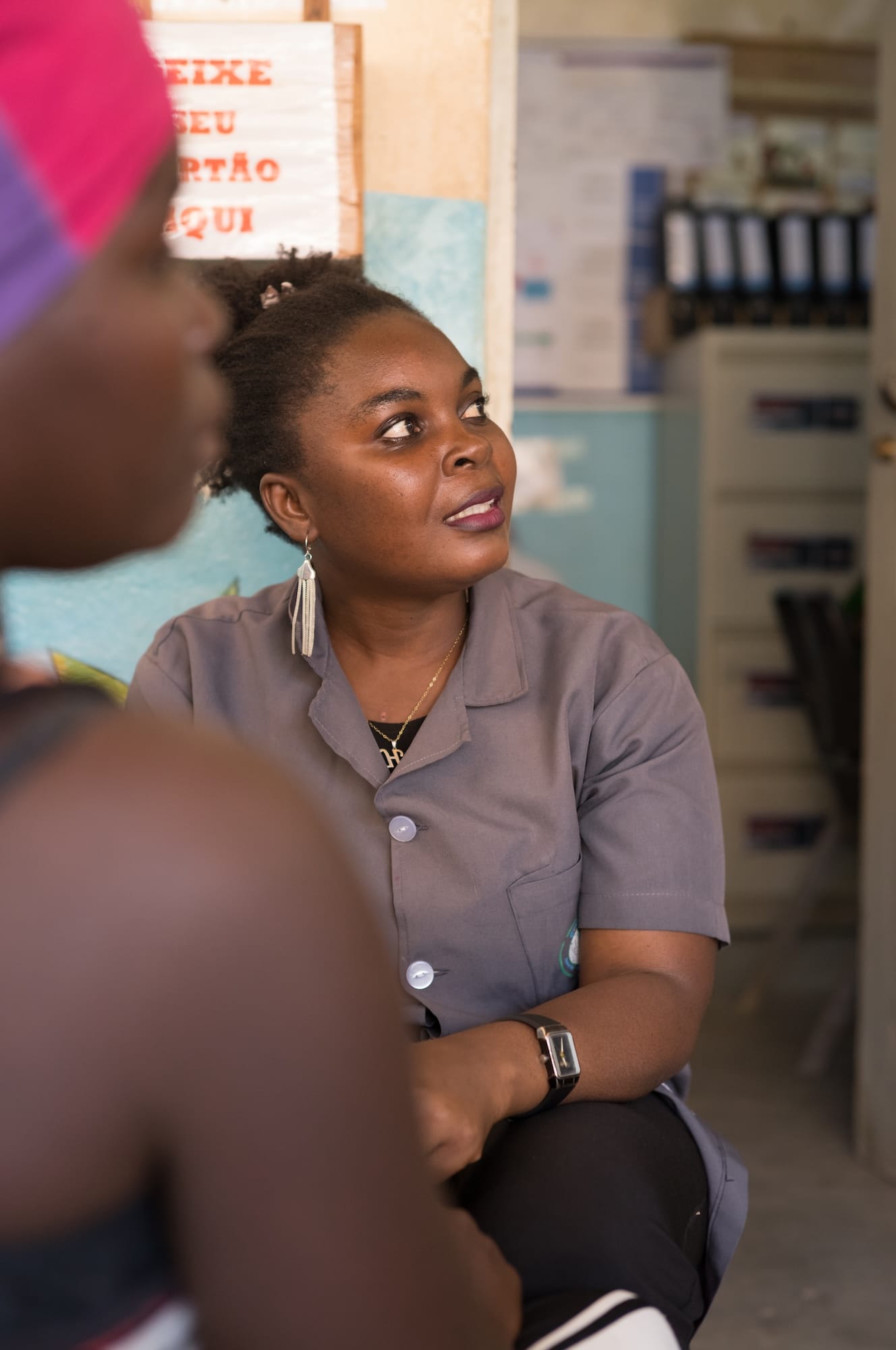
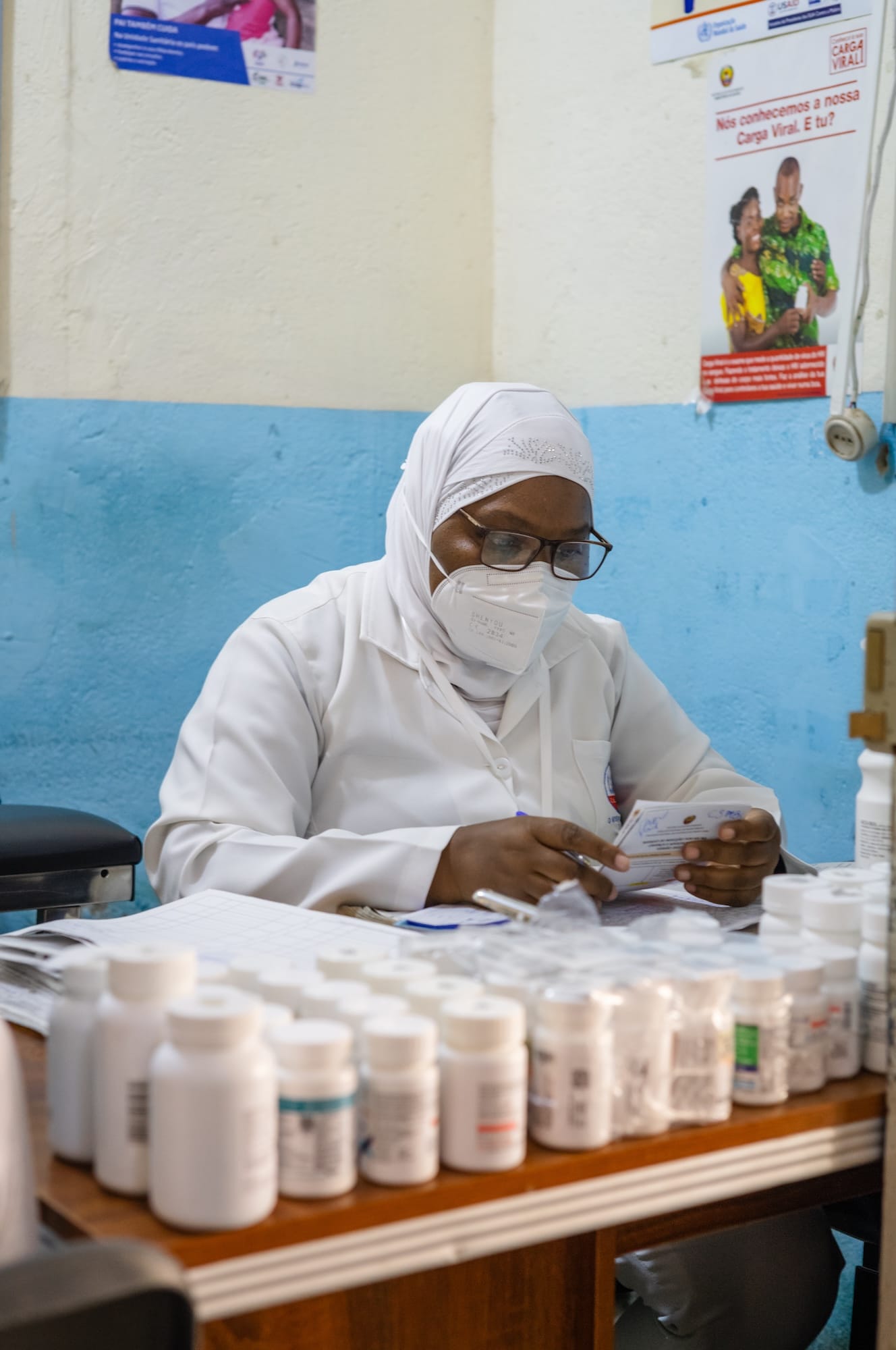
Eva Ernesto Manuel Jacinto (left), Linkage Officer, Ovarelelana, and Isaura Cherene (right), Pediatric Nurse, in the Pediatric HIV Unit, Centro de Saúde Muhala – Expansão, Nampula. Photo by Ben Eveslage, 27 August 2025.
A landscape shaped by progress and precarity
Globally, new HIV infections among children have dropped by more than 70 percent over the last two decades—one of the most significant public health achievements of the century. Mozambique, too, has made enormous progress, achieving roughly a 63 percent reduction in new pediatric HIV infections over the same period. More infants are tested early, more mothers are on lifelong ART, and improved pediatric formulations have made treatment easier for children to take.
Yet Mozambique still carries one of the heaviest HIV burdens in the world: approximately 11.5 percent of adults are living with HIV, and recent estimates indicate 2.2 million Mozambicans aged 15 years and older are living with HIV.
Persistent regional inequalities further complicate the picture. In the northern provinces, long distances to clinics, food insecurity, and recurrent disruptions from conflict and climate disasters make pediatric HIV care especially fragile. Health facilities already operating with limited staff struggle with inconsistent transport systems for medication delivery, poor road access, and service interruptions when outreach workers are unable to reach remote households. For children whose treatment depends on stable routines and consistent adult support, these systemic pressures can mean the difference between viral suppression and avoidable illness.
And then came the 2025 U.S. Government stop-work order, which paused critical community services—even though antiretroviral treatment continued at most public clinics. Case managers’ home visits stopped. Food and transport support paused. Families who had slowly built trust in community workers suddenly found themselves navigating treatment alone.
The consequences were immediate and human.
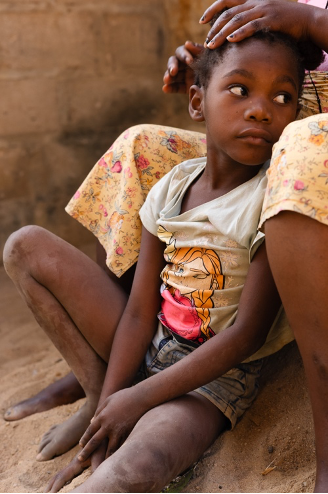
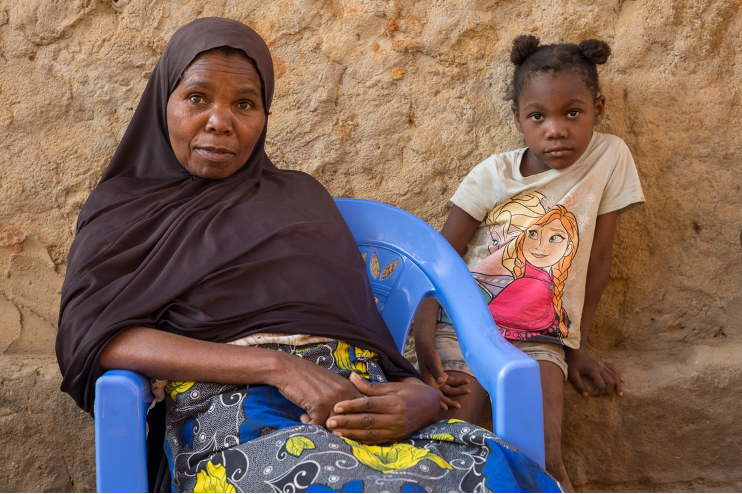
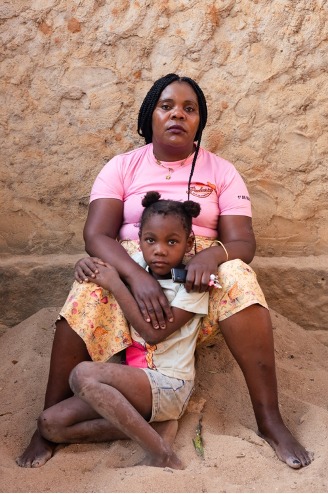
Ana, an eight-year-old girl living with HIV, at home with her grandmother Tima (center), her mother Alima (right), and case manager Lelia in Nampula. Photo by Ben Eveslage, 2 September 2025.
Some days she had food, some days she didn’t.
In a modest home shaded by a mango tree, Tima, grandmother to eight-year-old Ana, recalls the early days of her granddaughter’s illness. Malaria-like fevers. Vomiting. And countless mornings when it was a struggle just to convince her to swallow a pill that looked too big for a child her age. She carried Ana back and forth to the hospital, often alone, as her daughter—Ana’s mother—is hearing-impaired and faces stigma that limits her ability to advocate.
When U.S. funding cuts halted community activities this January, the system that held Ana’s care together briefly vanished.
“Sometimes she wakes and there is no food,” Tima says. “But she must take her pill before school.”
It is one of the most common challenges case managers cite: adherence is impossible on an empty stomach. No amount of counseling can replace calories. Yet the grandmother persisted—coaxing Ana with small sweets and bits of food, reminding her of her dose, encouraging her. When case manager Leila could no longer visit daily, she still returned whenever she could—“voluntarily,” the family says—teaching them to prioritize morning doses, marking appointment days, reassuring them that the interruption was not abandonment.
When the program resumed, Ana’s viral load remained suppressed. Against the odds, the family kept going.
But not every story survived the gap unscarred.
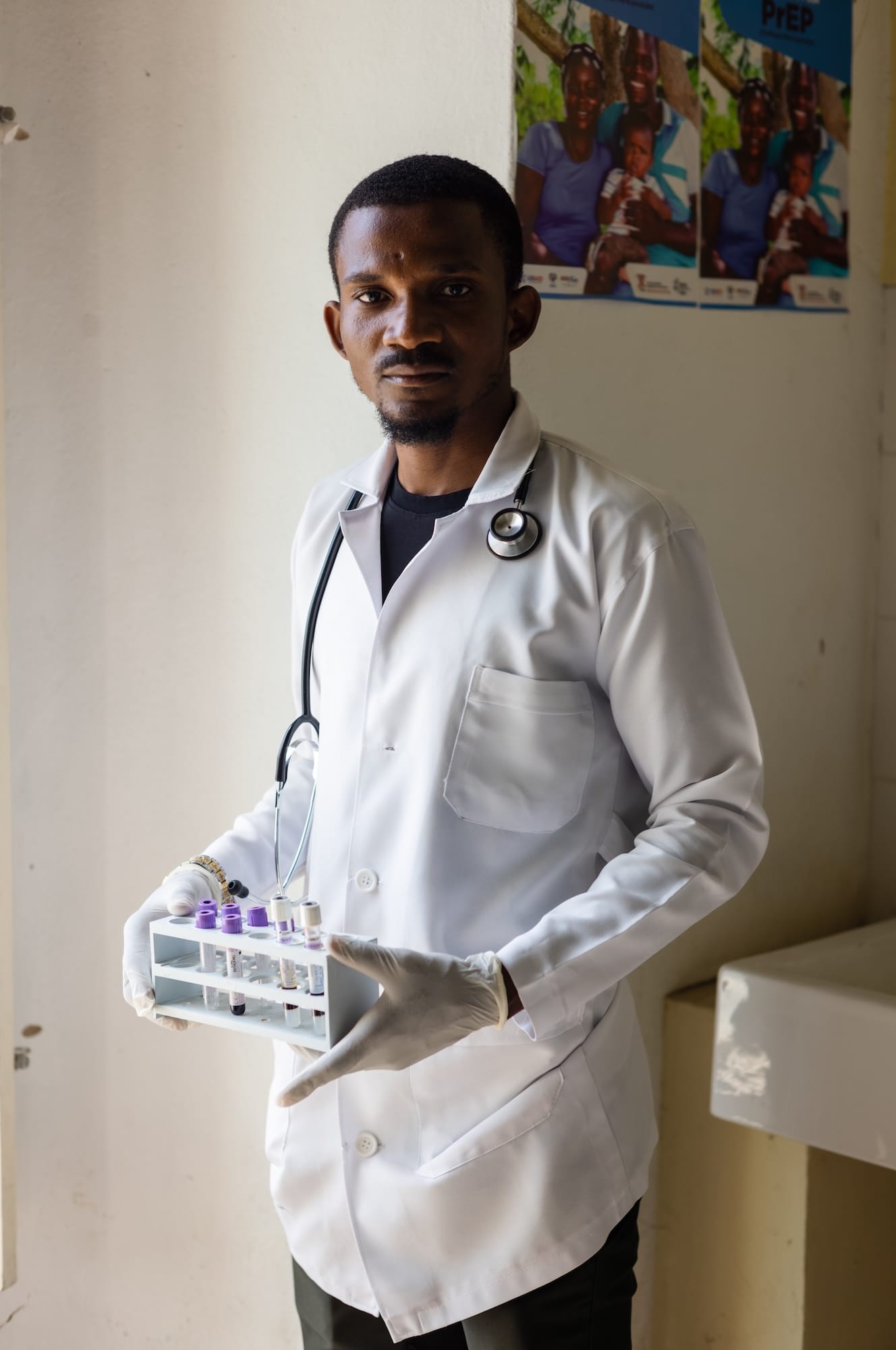
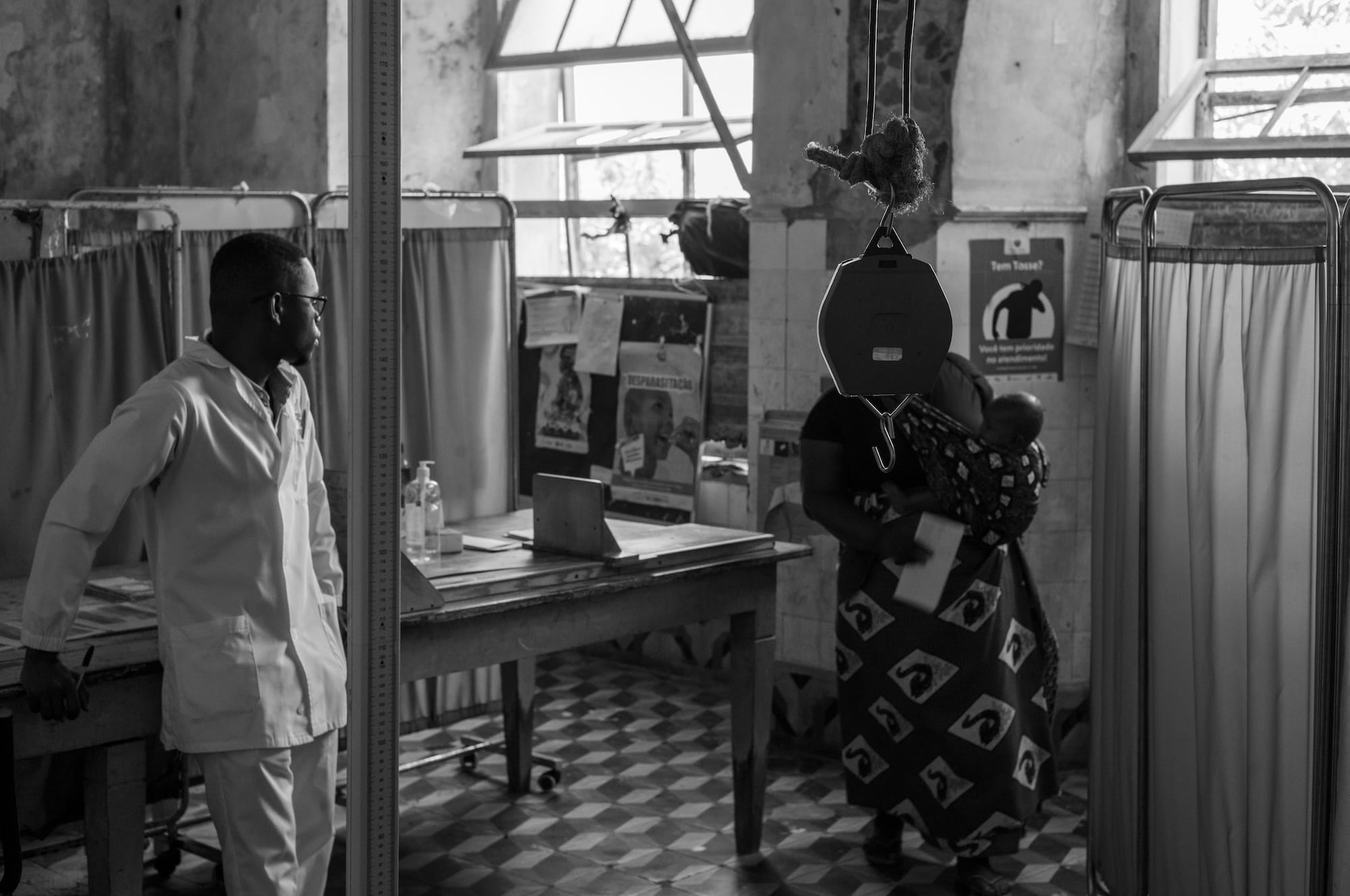
Arune (left), HIV Focal Point for Ilha de Moçambique, with viral load samples; pediatric clinic (right), Centro de Saúde da Ilha de Moçambique. Photos by Ben Eveslage, 2 September 2025.
For two months, he had no medication.
At Hospital da Ilha de Moçambique, HIV focal point Arune describes a patient who depended heavily on home deliveries of ART—a lifeline in regions where boats, sand roads, and rising tides shape access more than clinic hours. When the January pause halted community outreach, he slipped through the cracks.
For two to three months, he went without medication. When he returned, it was only because his health had deteriorated enough for his family to intervene.
These stories are not failures of effort—they are failures of continuity. They reveal how thin the buffer is for children and adults on lifelong treatment. Without community workers, even a functioning clinic cannot compensate for poverty, distance, or household dynamics.
The weight carried by children
In Nampula, I met Melva, age 15. She was orphaned after her mother—HIV-positive and untreated—passed away. Since then, her care has shifted between households, shaped by family disputes over school fees, bank accounts, and who should take responsibility. During one transition, when she was sent to stay with her father in another district, her treatment was interrupted—not because the adults didn’t know what she needed, but because they weren’t willing to take it on.
“They knew,” her grandfather Francisco says. “They just didn’t want the responsibility.”
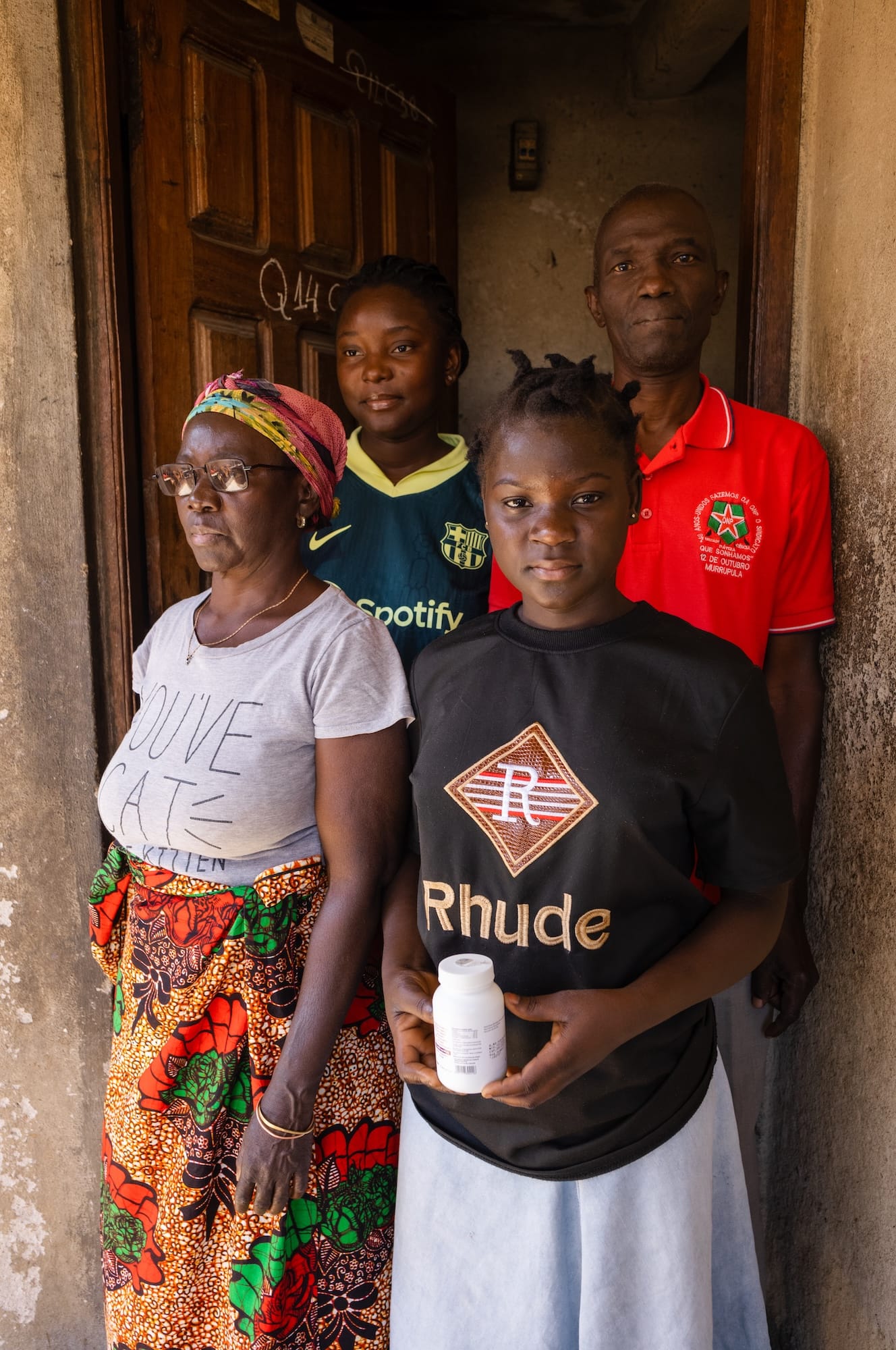
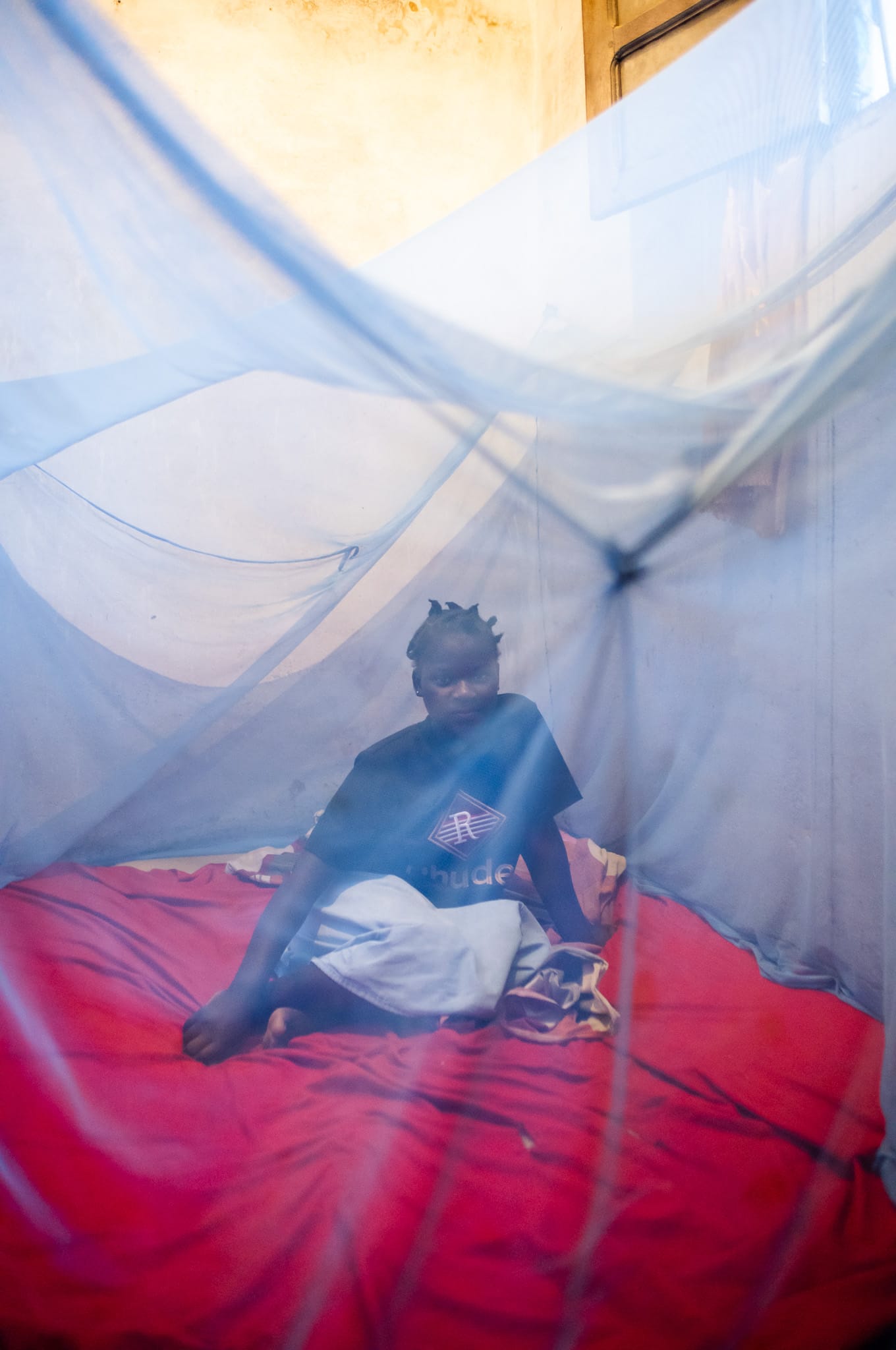
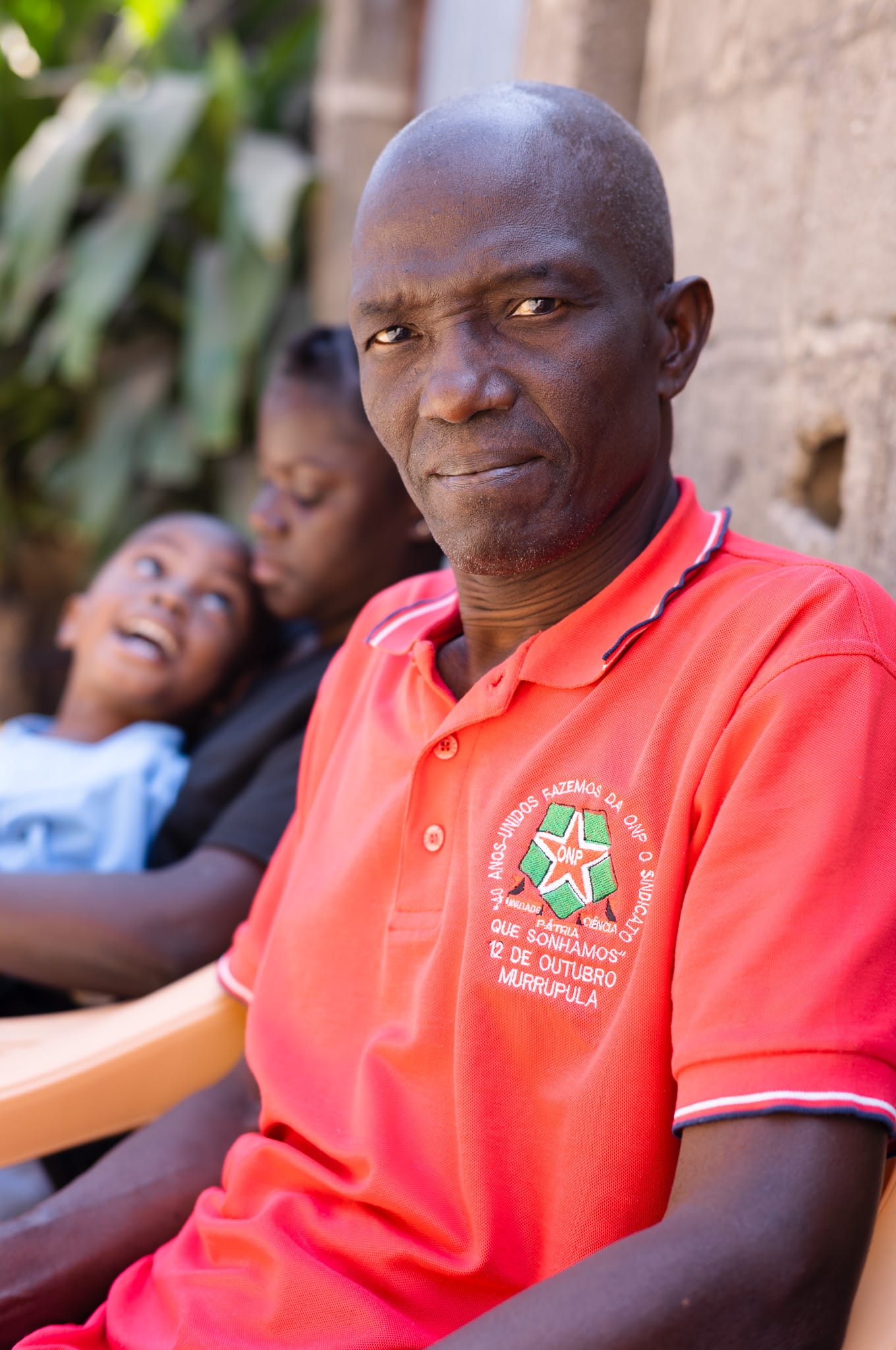
Melva Patricia Bernardo, 15, at home with family in Nampula. Photo by Ben Eveslage, 28 August 2025.
Ovarelelana stepped in, tracking Melva down and helping the family navigate a return to care. The relatives shown in the photos—the extended family who brought her back to Nampula—reconnected her with the health system and were linked to Ovarelelana for ongoing support. The team restored her treatment, offered counseling, and coordinated appointments until her health stabilized. Today, Melva is virally suppressed. She wants to be a nurse.
The pattern echoes across interviews:
- Children inherit adult conflicts.
- They inherit scarcity.
- They inherit decisions forged in private rooms, over money, shame, or fear.
Yet children also inherit resilience. They inherit the determination of grandparents like Tima, activists like Leila, and community case managers like Melito and Pedro, who visit homes, mediate family tensions, and sit with adolescents in crisis.
On World Children’s Day, this truth feels especially sharp:
Child health depends on the adults around them—but also on the systems around those adults.
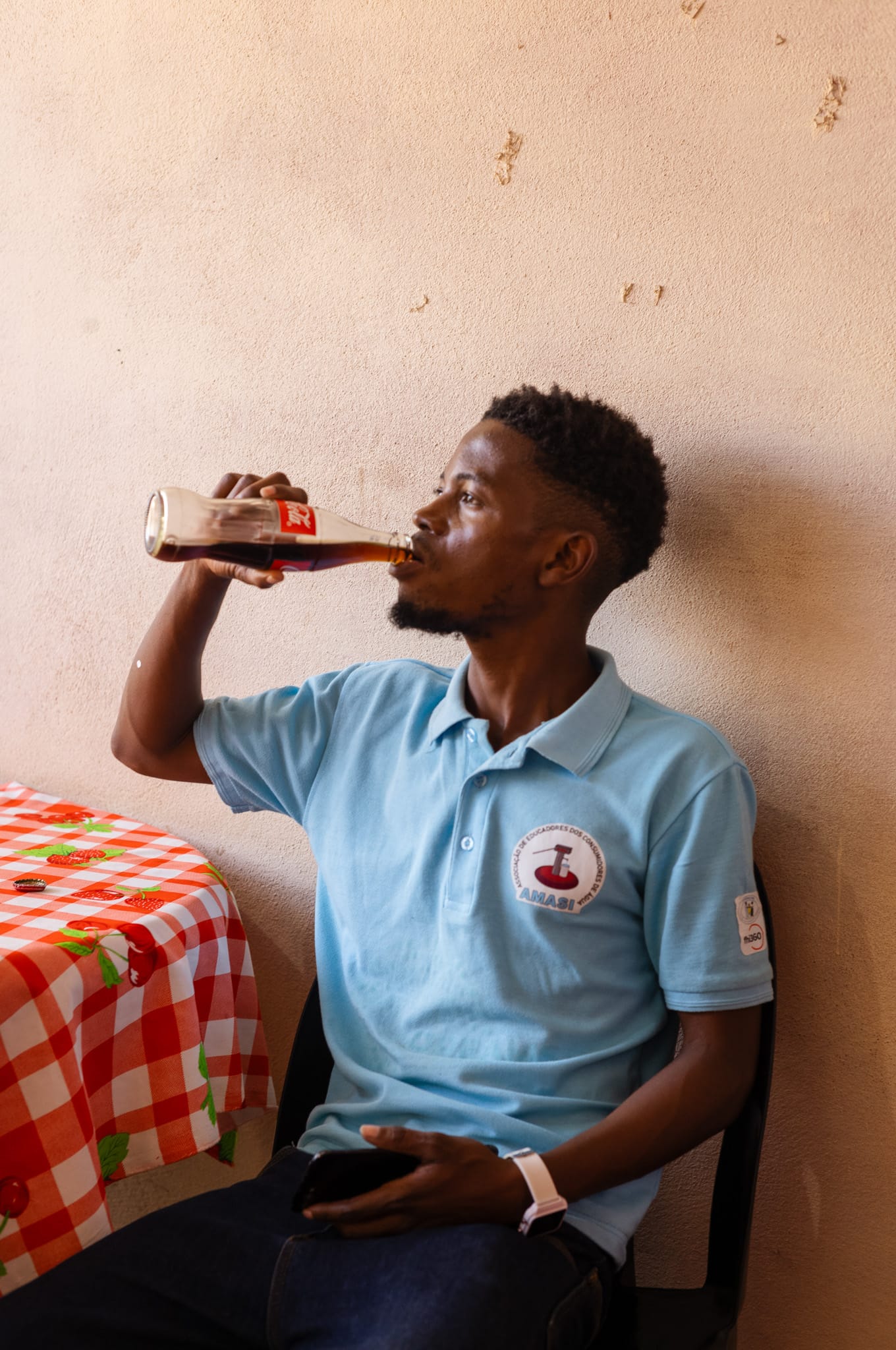
Pedro Rui Rodrigues Vonhereque (left), Linkage Officer, and Melito Paulino Jaime (right), Community-Based Case Manager, Ovarelelana. Photo by Ben Eveslage, 27 August 2025.
AMASI’s footprint: The infrastructure of care
AMASI is best known nationally for its work in water and sanitation—training thousands of community committees and building more than 270,000 latrines across the north, dramatically reducing open defecation. In health, AMASI has reached more than 250,000 vulnerable families and provided integrated support to children, adolescents, and young women through its programming.
This scale matters. It means AMASI was equipped—organizationally and emotionally—to weather the 2025 crisis. Its staff understand the ecosystems families navigate: hunger, flooding, stigma, school barriers, conflict displacement, and the long distances to the nearest health facilities, which average 12–14 km in much of the north.
Ovarelelana represents the granular side of that infrastructure: the everyday work of finding people, reminding them, listening, returning, encouraging, and explaining again. Together, they form a bridge between national policy and household reality.
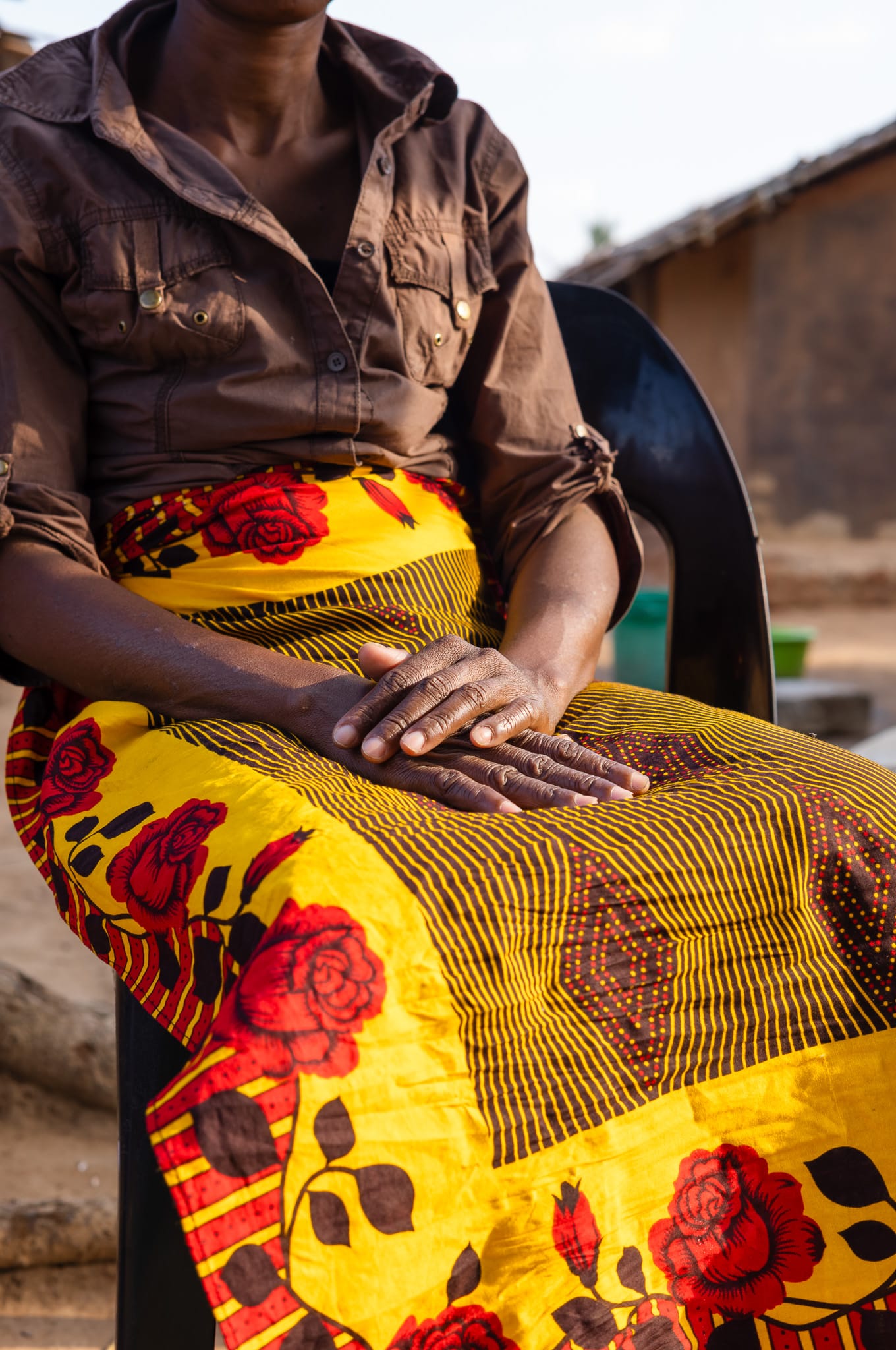
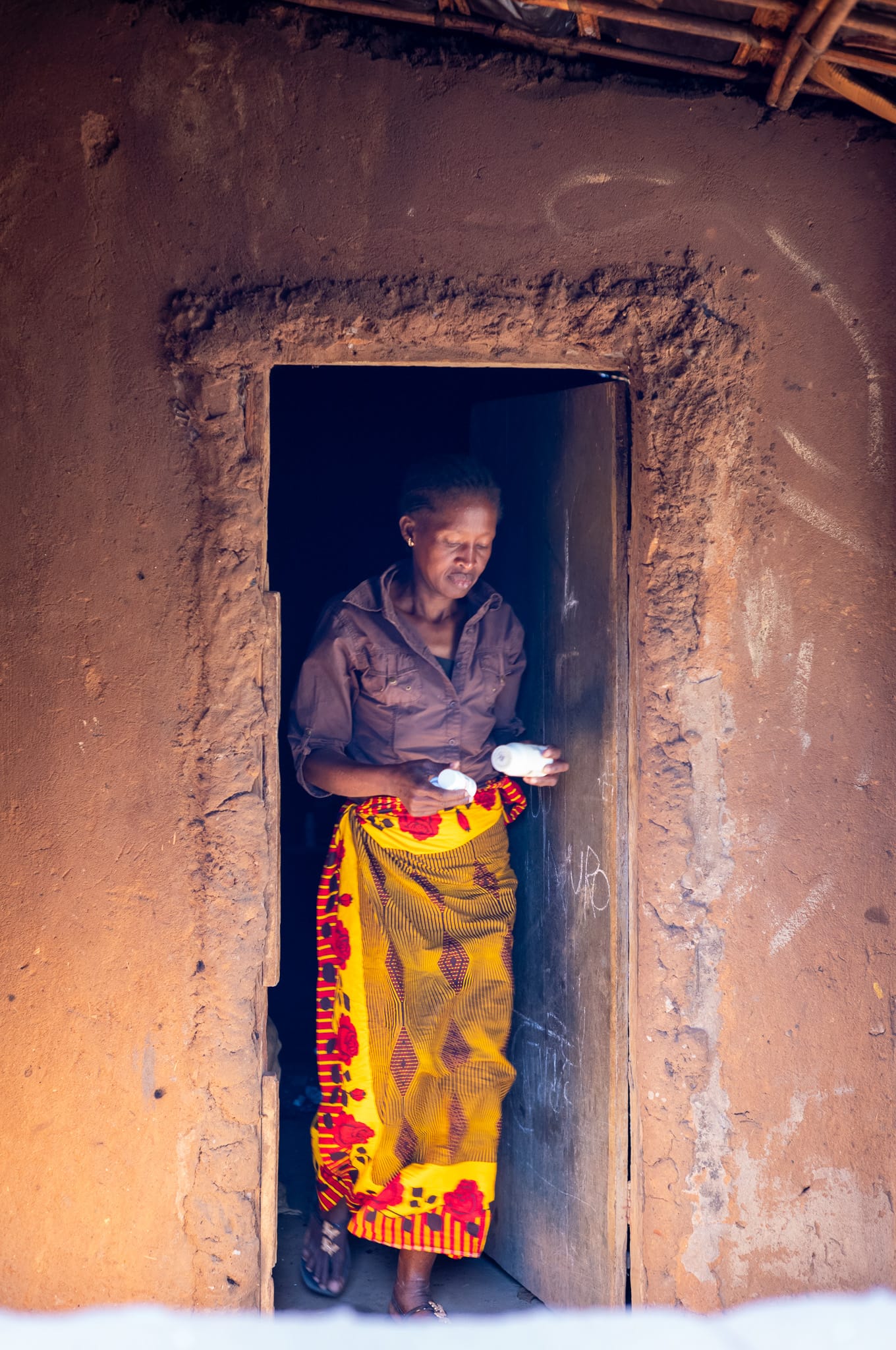
Anabela at home with her son Nuro, age nine, living with HIV and a physical disability, Nampula. Photo by Ben Eveslage, 28 August 2025.
If they leave me alone, who knows what will happen?
Among all the stories, the one that stayed with me most was Anabela’s. Her son Nuro, nine years old and living with HIV, also lives with a significant physical disability. To get him to school, neighbors carry his wheelchair through deep sand; his siblings lift him over the roughest stretches.
When funding paused, she felt it immediately—not in the availability of medication, but in the absence of her case manager, her “godmother.” The person who counseled her through pregnancy, helped enroll Nuro in school, arranged his wheelchair, and supported the family when their income collapsed.
“If they leave me alone,” she said, “I would feel lost. Who knows if I would leave the treatment? I know how much she loves me. There is no other person like her.”
For families like hers, case management is medicine—not in the clinical sense, but in every way that matters.
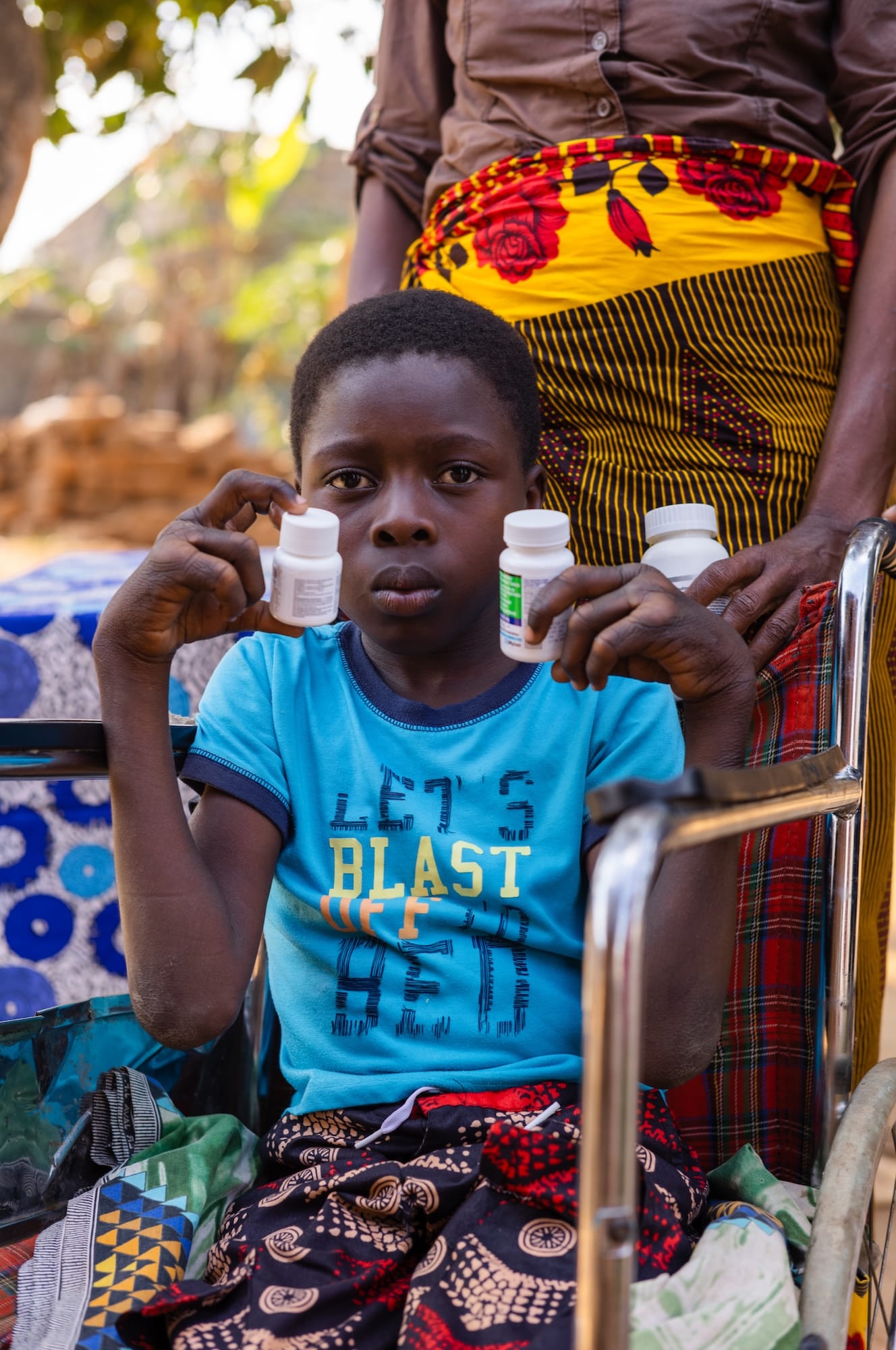
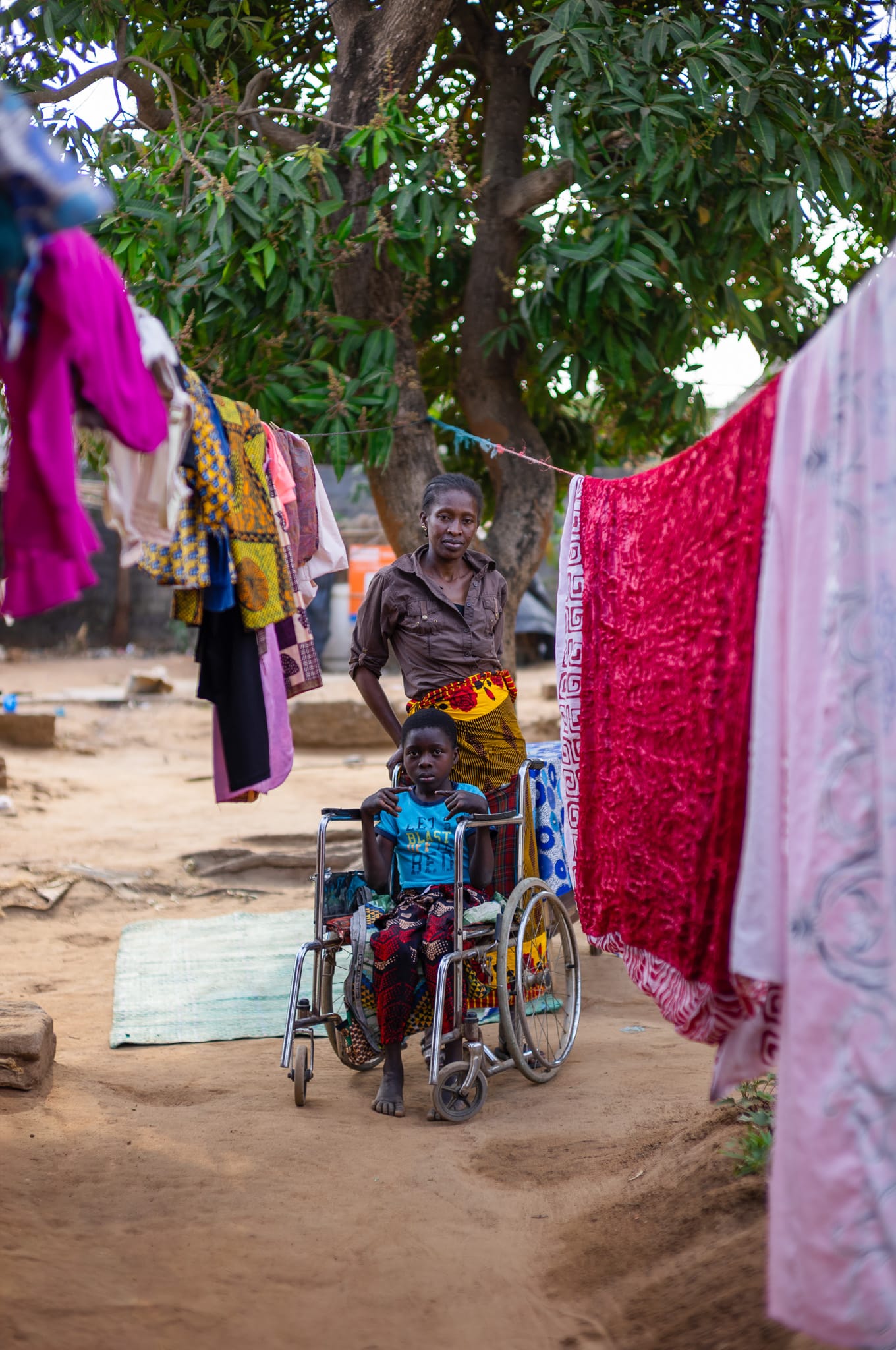
Nuro at home with family, Nampula. Photo by Ben Eveslage, 28 August 2025.
Holding the line for children
Children rarely appear in annual budget tables or donor priority lists with the specificity their circumstances require. They are “OVC beneficiaries,” “pediatric clients,” “AGYW 10–14.” Yet the stories behind those categories are breathtaking in their complexity:
- A hungry child trying to swallow morning medication.
- A grandmother rationing the little she has to keep her granddaughter adherent.
- A teenage girl interpreting silence as neglect when programming pauses.
- A disabled boy lifted over sand dunes so he can stay in school.
What AMASI and Ovarelelana show is that pediatric HIV care is not only biomedical. It is social, spatial, emotional, and profoundly relational.
And when funding is cut—or delayed, or politicized—it is children, not spreadsheets, who absorb the shock.
A call to action on World Children’s Day
Today, on World Children’s Day, the global theme emphasizes children’s rights to health, protection, and a fair chance at the future. In northern Mozambique, these rights are upheld every time a case manager knocks on a door, every time a nurse encourages a hesitant parent, every time a community worker tracks down a missed appointment.
The children I met—Ana, Nuro, Melva—do not know about donor logos or geopolitical decisions. They know school, play, hunger, pain, mornings when they don’t want to take a pill, and the adults who make sure they do.
They live, as children do, in the world adults build around them.
And that is where the line must be held.
Featured local organizations
AMASI
AMASI is a Mozambican NGO empowering vulnerable communities by expanding equitable access to water, sanitation, health, and social protection. It works especially in northern provinces to reduce inequity and build hope. AMASI supports Ovarelelana (below) to deliver HIV services to children and families.
Ovarelelana Association
Founded in 2010, Ovarelelana is a Mozambican NGO strengthening vulnerable communities—orphans, young women, rural youth—especially those affected by HIV. It works across Nampula and neighboring districts in case management, ART retention, DREAMS programming, savings groups, and HIV prevention.
#depth series
Through candid interviews and photos, Depth explores how community groups innovate, adapt, and survive amid funding cuts and uncertainty. Explore the series →

Member discussion